5 Positive Parenting Principles: Connection, Boundaries, Respect
What are the 5 principles of positive parenting?
Positive parenting is a practical approach that focuses on connection, guidance, and long-term skill-building rather than fear or harsh punishment. While different educators describe it in slightly different ways, five core principles show up again and again in healthy, effective parenting.
1) Connection comes first
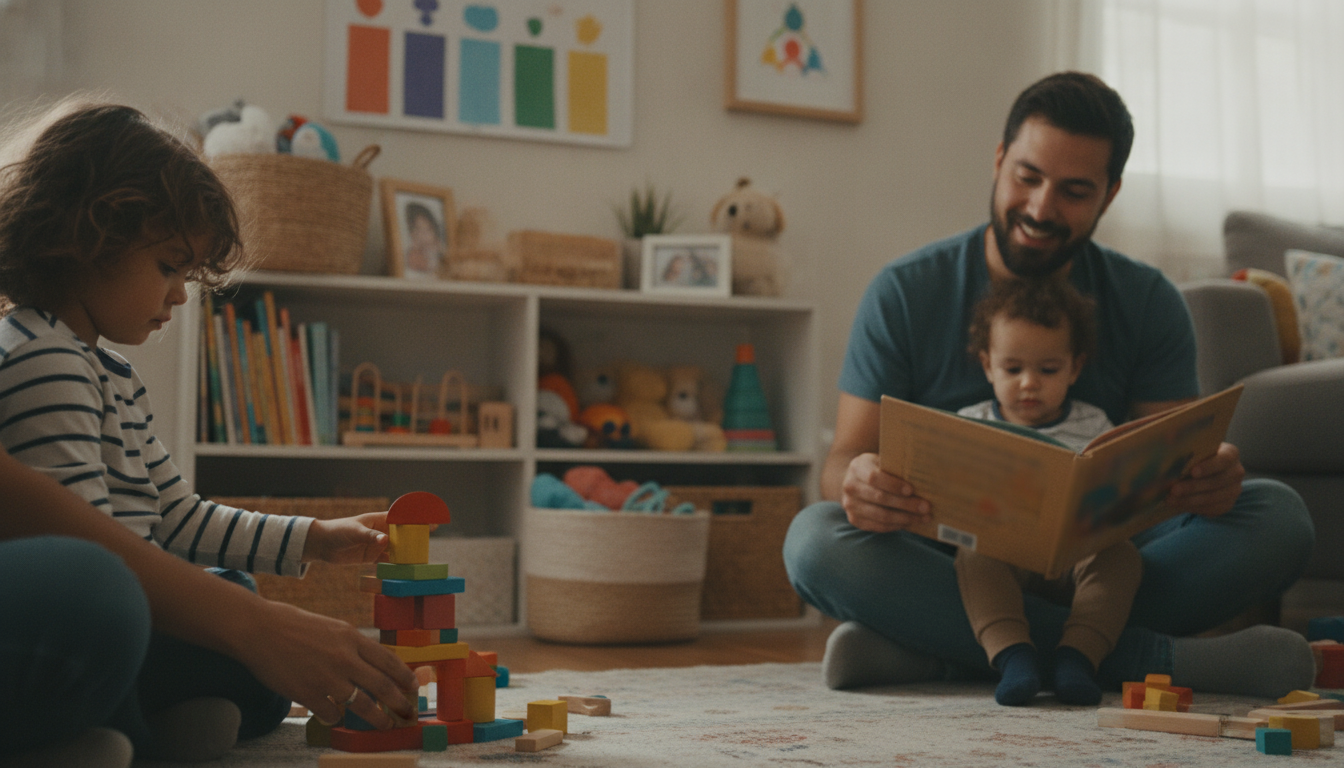
Children cooperate more when they feel safe and understood. Prioritizing warmth—eye contact, listening, and small moments of attention—creates the trust that makes guidance easier later, especially during stressful routines like mornings, homework, and bedtime.
2) Clear boundaries with consistency
Positive parenting isn’t permissive. It uses simple rules and predictable follow-through, so kids know what to expect. Consistency reduces power struggles because the limit stays the same even when emotions run high.
3) Positive guidance and teaching
Instead of focusing only on what not to do, positive parenting teaches what to do. That can look like modeling calm language, practicing problem-solving, offering limited choices, and coaching skills such as waiting, sharing, and expressing frustration appropriately.
4) Respectful communication
Respect goes both ways: parents speak firmly without shaming, and they acknowledge feelings without giving in to unsafe behavior. Using specific, calm language (“Hands stay to yourself”) helps children learn self-control while keeping dignity intact.
5) Encouragement over punishment
Encouragement builds motivation and confidence. Praise effort and strategies (“You kept trying even when it was hard”), notice progress, and use logical consequences when needed—consequences that are related, reasonable, and focused on learning rather than payback.
For a deeper breakdown and practical examples you can use at home, visit the full guide on the principles of positive parenting.
For 5 Positive Parenting Principles: Connection, Boundaries, Respect, the best answer depends on fit, material, care instructions, and how the product will be used day to day.
FAQ
How do you discipline with positive parenting?
Use calm, clear limits, then follow through with logical consequences and teaching. Focus on safety, repairing mistakes, and practicing better choices next time instead of using shame or threats.











Leave a comment