Calm Your Mind: Guided Audio Meditations for Anxiety
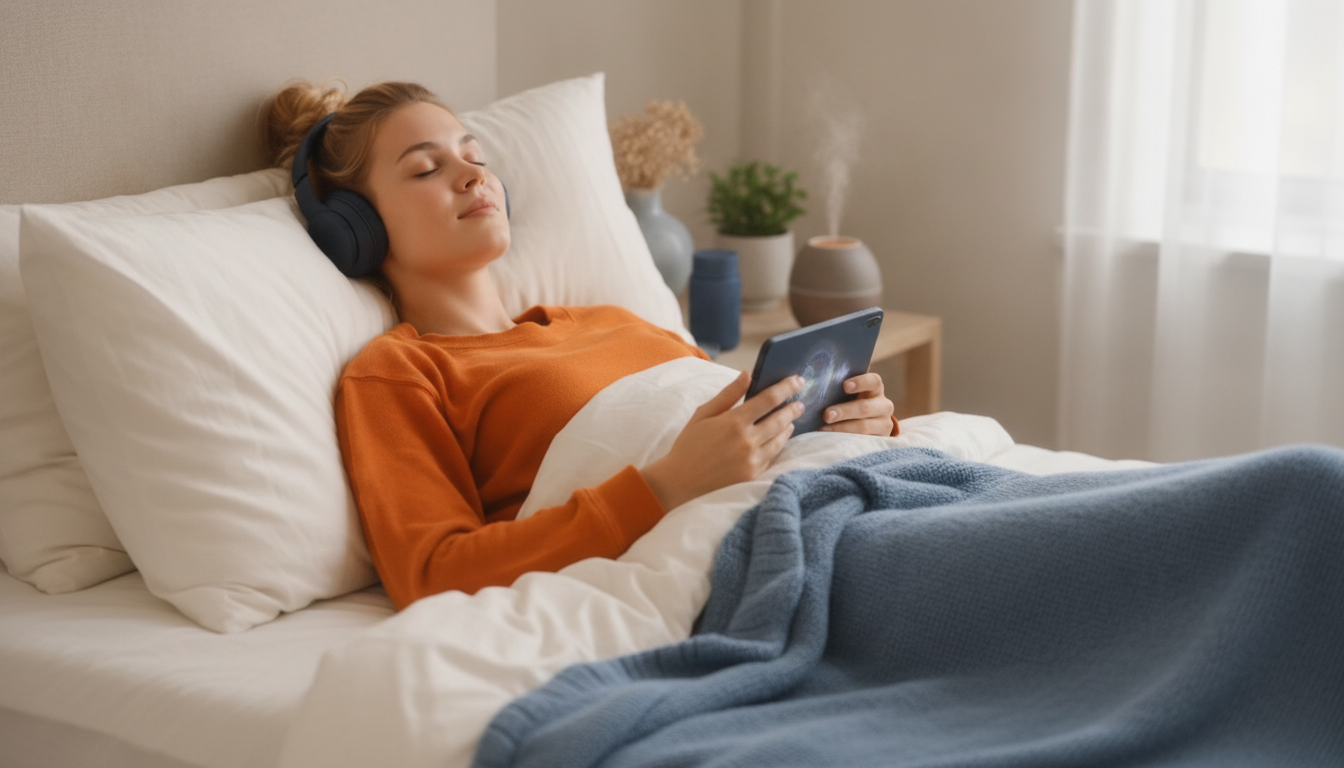
Calm Your Mind: A Guided Audio Meditation Series for Anxiety Relief
Racing thoughts, a tight chest, and that constant sense of being “on edge” can make even ordinary moments feel like too much. When anxiety spikes, it’s hard to remember what to do—let alone do it consistently. A guided meditation series gives structure when your mind feels scattered: clear cues, steady pacing, and repeatable sessions that help your nervous system settle.
Calm Your Mind: Guided Meditation Series audio course is designed for daily use, with simple listen-and-breathe practices that fit into mornings, work breaks, and bedtime routines—without pressure to “do it perfectly.”
What guided meditation can do when anxiety spikes
Guided meditation isn’t about forcing your mind to be blank. It’s about giving your attention something steady to return to—again and again—until your body gets the message that you’re safe enough to soften.
- Creates a steady focus point (breath, body sensations, sound) to interrupt spiraling thoughts
- Encourages slower breathing patterns that support a calmer physiological state
- Builds a repeatable routine so relief becomes easier to access over time
- Helps reduce mental clutter by labeling thoughts and returning attention gently
For a deeper overview of how meditation is used in wellness and what current research suggests, visit the National Center for Complementary and Integrative Health (NCCIH) — Meditation.
Who this audio series fits best
Some people love silent meditation. Others find silence amplifies anxious thinking. Audio guidance can be a practical middle ground—especially when attention feels slippery.
- Beginners who prefer step-by-step guidance instead of silent sitting
- People who feel anxious at night and want a consistent wind-down cue
- Busy schedules that benefit from short, repeatable sessions
- Anyone who prefers listening over reading or app-based scrolling
Inside Calm Your Mind: Guided Meditation Series
This series is built around re-playability: you’re meant to return to the same practices, so your brain and body learn the path back to calm faster over time.
- Audio-first format that can be played on a phone, computer, or tablet
- Designed to be revisited—repeat sessions to reinforce calm as a habit
- Useful for common anxiety moments: morning tension, midday overwhelm, bedtime worry
- A supportive pace that reduces pressure to “do it perfectly”
Quick session guide for different moments of the day
| Moment | Common feeling | What to play for | Simple tip |
|---|---|---|---|
| Morning | Dread or restlessness | Settling into the day with grounded attention | Listen before checking messages or news |
| Midday | Overwhelm or irritability | Resetting the nervous system and refocusing | Pair with a short walk or window break |
| Evening | Mental chatter | Transitioning out of “doing mode” | Dim lights and lower volume slightly |
| Bedtime | Worry loops | Relaxing the body and easing into sleep | Use the same session nightly for 1–2 weeks |
How to use the series for best results
Progress with anxiety relief practices often comes from consistency, not intensity. Think “small and repeatable” rather than “long and perfect.”
- Pick a consistent time: use the same cue daily (after brushing teeth, before lunch, lights out)
- Start small: 5–10 minutes is enough to build momentum
- Repeat favorites: repetition trains familiarity and faster calming responses
- If thoughts wander: return to the voice cue or breath without self-judgment
- Track one simple metric: rate tension before vs. after (0–10) to notice change over time
If you’d like additional grounding tools that pair well with meditation, the American Psychological Association (APA) guidance on breathing and relaxation techniques is a helpful, practical reference.
Pairing meditation with other calming supports (without overcomplicating it)
Meditation works best when it’s supported by basic nervous-system-friendly choices. Keep it simple—one add-on at a time.
- Hydration and a light snack: can reduce jitters that mimic anxiety
- Gentle movement: neck rolls, shoulder drops, or a slow walk can make stillness easier
- Limit stimulants late day: especially if sleep anxiety is a frequent issue
- Consider extra support: if anxiety is severe, persistent, or escalating, professional care can complement meditation
When a guided series may not be enough
Guided audio can be a steady daily support, but it isn’t the right standalone solution for every situation.
- Panic symptoms that feel unmanageable or unsafe deserve medical guidance
- Trauma-related symptoms may require trauma-informed meditation or therapy support
- If meditation increases distress, try shorter sessions, eyes open, or grounding practices
- Consider reaching out to a licensed professional for a personalized plan
For a clear overview of anxiety disorders and when to seek help, see the National Institute of Mental Health (NIMH) — Anxiety Disorders.
Product details and where to get it
- Title: Calm Your Mind: Guided Meditation Series | Audio Course | Anxiety Relief Meditation
- Price: $28.99 (USD)
- Availability: In stock
- Format: Audio course (digital listening)
If you enjoy audio-based routines, you can also explore Daily Affirmations for Abundant Wealth audio course for supportive self-talk practice, or pair mindset journaling with Train Your Mind to Think Like a Millionaire (digital workbook) if structured reflection helps you identify triggers and patterns.
Other supportive audio tools to consider
- Daily affirmations: can complement meditation by reinforcing calmer self-talk patterns (try Daily Affirmations for Abundant Wealth | Audio Course)
- Mindset workbooks: can help identify triggers and reframe unhelpful thought loops (see Train Your Mind to Think Like a Millionaire | Digital Download PDF eBook)
FAQ
What drink calms anxiety?
Water is a safe first choice, and warm caffeine-free herbal teas (like chamomile or peppermint) can feel soothing; warm milk also helps some people at night. If caffeine or alcohol tends to worsen your symptoms, reducing them—especially later in the day—may help. If you have allergies, take medications, or have a health condition, check with a clinician before using herbal products.









Leave a comment